Large Notebook Journal Interior: A Practical Overview
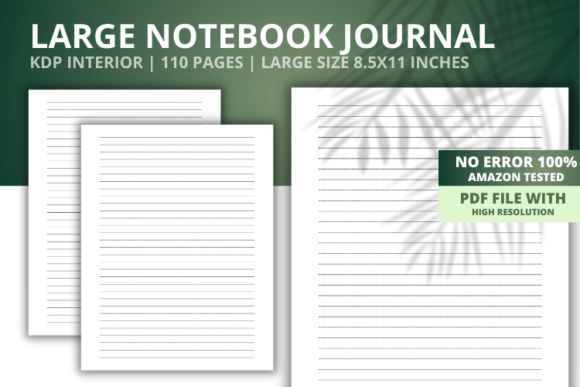
If you’ve ever considered self-publishing a notebook or journal on Amazon KDP, you may have come across the term Large Notebook Journal Interior. In simple terms, this refers to a pre-designed PDF file that contains the inside pages of a large-format notebook – specifically sized at 8.5×11 inches, 110 pages, and ready for upload or print. It’s a turnkey solution that removes much of the guesswork from creating a professional-looking product. Whether you’re a complete beginner or an experienced creator, understanding what this interior file offers can help you decide if it’s the right fit for your next project.
What Makes a Large Notebook Journal Interior Different
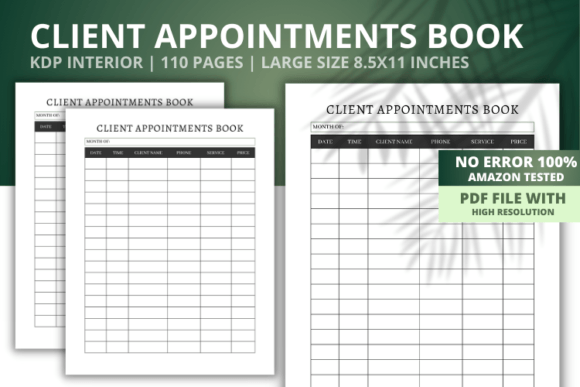
Not all notebook interiors are created equal. This particular file is designed to save you time and frustration. It has been tested on Amazon KDP to ensure no error pages, so you won’t encounter formatting surprises during review. The file includes high-resolution pages that can be used with or without bleed – meaning you can choose between full-print coverage or a clean white margin around the edges. Because it comes as a PDF, you can easily download it, edit it in software like Adobe Acrobat or Canva, and customize it to suit your brand or personal style. The combination of a large 8.5×11 inch page size and 110 pages gives you plenty of room for content without making the final book too thin or too thick.
Why This Interior Appeals to a Wide Audience
The appeal of this Large Notebook Journal Interior lies in its flexibility. Adults aged 20 to 50 – including bloggers, freelancers, small business owners, educators, and hobbyists – often look for a journal that feels substantial but not overwhelming. The 8.5×11 size resembles a standard sheet of letter paper, which many people find comfortable for writing, sketching, or planning. For creators who want to publish on KDP, having a file that is already tested and error-free removes a major pain point. Instead of spending hours troubleshooting margins or page counts, you can focus on adding your own content – whether that’s prompts, lined pages, dot grids, or blank sections.
Beginners especially appreciate the simplicity. You don’t need advanced design skills to use this interior. Open the PDF, make a few edits (like adding your logo or changing the title page), and upload it directly to KDP. The high-resolution quality ensures the printed book looks crisp, whether it’s produced on demand or in bulk.
Common Use Cases for the 8.5×11 Journal Interior
People use this interior for a variety of personal and professional projects. Here are some realistic examples:
- Personal journals: A writer might use the 110 pages to create a daily gratitude journal or a travel diary. The large size gives enough space for longer entries alongside small doodles or stickers.
- Bullet journals: Those who love structured organization often prefer the spacious 8.5×11 format. They can print dot-grid pages at home or publish a version for sale.
- Business notebooks: Small business owners sometimes produce branded notebooks for clients or team members. The interior file allows them to add a company logo and consistent layout across all pages.
- Educational planners: Teachers and tutors can design course planners or assignment notebooks. The 110-page count fits a typical semester or quarter.
- Creative sketchbooks: Even though the file is primarily a journal interior, it can be repurposed as a lightweight sketchpad by replacing the lined pages with blank or semi-blank layouts.
These examples show that the interior isn’t limited to one niche. It adapts to the needs of the user, whether they intend to sell the final book or keep it for personal use.
What to Consider Before Using This Interior File
Before you download and start editing, there are a few practical points to keep in mind. First, decide whether you need bleed or no bleed. If you plan to have any design element (like a background color or border) extend to the very edge of the page, choose the bleed version. For simpler layouts where white margins are acceptable, no bleed works fine and can be slightly easier to handle during print setup.
Second, the file is provided as a PDF, which is great for distribution but less flexible for heavy customization compared to a native format like InDesign or Word. However, you can still edit text and images in programs like Adobe Acrobat Pro, Preview (on Mac), or Canva. If you intend to make major layout changes, consider using a PDF editor or converting the file to an editable format – but be careful not to disrupt the tested structure.
Third, the 8.5×11 inch size is considered “large” for a journal, which may influence your paper type and binding choices on KDP. Many creators prefer a cream paper or white paper with a glossy or matte cover. The interior file itself is neutral, so it pairs well with almost any cover design you come up with.
Understanding the “Tested on Amazon KDP” Advantage
One of the standout features of this interior is that it has been tested specifically for Amazon KDP. This means the file has already gone through a verification process to ensure there are no error pages, no missing margins, and no formatting issues that could trigger a review rejection. For anyone who has experienced the frustration of a rejected book, this testing provides significant peace of mind. It does not mean the file will automatically pass every future review – you still need to follow KDP’s guidelines for your specific trim size and bleed settings – but it eliminates many of the common pitfalls that plague new publishers.
How to Get the Most Out of Your Large Notebook Journal Interior
To truly maximize the value of this interior, start by clarifying your goal. If you are publishing a product for sale, think about who your target audience is. A lined interior with 110 pages works well for general journaling, whereas a dot-grid interior appeals to bullet journal enthusiasts. If the file comes as a blank slate, you can add prompts, section dividers, or decorative headers to differentiate your product. Many creators also include a table of contents or a couple of reference pages (like a year calendar or conversion chart) to increase perceived value.
For personal use, the editing process can be as simple as typing your name on the cover page and clicking “print.” If you plan to use the journal as a daily habit, consider printing on high-quality paper and having it spiral-bound at a local copy shop. The 8.5×11 size gives you ample writing area, which many users find more comfortable than standard 6×9 journals.
Digital and Commercial Applications
While the primary use is for print, this interior can also be used in digital contexts. For example, you might upload the PDF to a site like Gumroad or Etsy as a digital download. Customers can then print the journal at home or on a commercial printer. Because the file is high-resolution, digital copies remain sharp even when zoomed in. Entrepreneurs and bloggers often bundle such interiors with related digital products – like a planner or a workbook – to create a package that addresses multiple needs. The no-bleed version is particularly convenient for digital-first sales because it eliminates the need for customers to worry about print margins.
Another commercial angle: if you run a print-on-demand business beyond KDP, the same interior file can be adapted for other platforms. The 8.5×11 size is a standard trim for books and notebooks, so you’re not locked into one marketplace. Just double-check each platform’s specifications regarding page count and bleed requirements.
Important Factors When Choosing This Interior File
Before making a final decision, weigh the following factors:
- Page count: 110 pages is moderate – not too few for a notebook, but not excessive for a journal. It fills roughly 55 sheets of paper. Consider if you need a thinner notebook (e.g., 70 pages) or a thicker one (e.g., 200+ pages) for your project.
- Bleed vs. no bleed: If you’re unsure, opt for the bleed version – it gives you more design flexibility. The no bleed version is fine for simple text and line layouts.
- Editability: The PDF is editable but not as flexible as a source file. If you anticipate major layout changes, look for an interior that also includes a Word or InDesign file.
- Testing evidence: The fact that the file has been “tested on Amazon KDP” is a strong indicator of reliability. However, always run your own test upload before committing to a bulk print order.
These considerations help ensure that the interior aligns with your specific project requirements and reduces the risk of unexpected issues later.
Final Thoughts on the Large Notebook Journal Interior
The Large Notebook Journal Interior in 8.5×11 inches, with 110 pages and a tested PDF format, offers a practical starting point for anyone interested in creating a notebook or journal – whether for sale or for personal satisfaction. Its combination of generous page size, verified quality, and editable design makes it accessible to beginners and valuable to experienced creators. By understanding what the file provides and choosing the right version for your needs, you can quickly go from idea to finished product without unnecessary complexity. If you’re looking for a solid foundation for your next journal project, this interior deserves a close look.